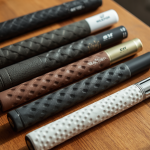
Best golf grips can make a bigger difference than many players expect because your hands are the only connection between your body and the club. A good grip helps you feel secure without squeezing too hard, which can improve comfort, control, and rhythm during the swing. Because golf requires touch as much as power, the right grip can help you feel more confident from the first tee to the final putt.
Many golfers spend time thinking about drivers, irons, wedges, and golf balls, yet they forget about the part of the club they touch on every shot. Over time, grips wear down, get slick, lose texture, and stop giving the same feedback. When that happens, players often grip tighter without noticing. As a result, tension can move into the hands, arms, shoulders, and swing.
Comfort and control depend on more than brand or appearance. Grip size, texture, material, firmness, moisture control, and weather performance all matter. A soft grip may feel better for players with hand soreness. A firmer grip may help golfers who want sharper feedback. Meanwhile, a tacky or corded grip may help in rain, heat, or sweaty conditions.
Why Golf Grips Matter More Than You Think
The grip affects how the club feels throughout the swing. If it is too slick, your hands may tighten. If it is too firm, it may feel harsh. When it is too small, your hands may become too active. On the other hand, a grip that is too large may reduce hand action and make it harder to release the club.
Best golf grips should help your hands feel calm and secure. They should not force extra pressure. In fact, many golfers find that fresh grips allow them to hold the club more lightly. This can improve tempo because the wrists and arms move with less strain.
Grip condition also matters. Even a high-quality grip can perform poorly after too much wear. Dirt, sweat, sunscreen, and heat can break down the surface. Once a grip feels shiny or slippery, it may no longer support a relaxed hold.
Replacing old grips is one of the simplest equipment upgrades in golf. It usually costs less than a new club, yet it can change how every club feels. Therefore, grip care and grip choice should be part of every golfer’s setup.
Comfort Starts With the Right Size
Grip size is one of the most important parts of comfort. Standard grips work for many players, but not everyone. Some golfers need midsize or oversized grips because of larger hands, hand pain, arthritis, or a preference for less wrist action. Others prefer standard or undersize grips because they want more feel and release.
A grip that fits well should feel natural in your fingers and palm. You should not feel like you are stretching to hold it. At the same time, it should not feel so thin that your hands squeeze around it. The goal is a relaxed hold that still feels secure.
Best golf grips are not always the same size for every player. A golfer with smaller hands may control the club better with a standard grip. A player with larger hands may feel more comfortable with midsize. Someone with joint discomfort may prefer a thicker grip because it can reduce how tightly the fingers need to close.
Size can also affect ball flight. Smaller grips may encourage more hand action, which can help some players square the face. Larger grips may quiet the hands, which may help players who over-release. However, fit and comfort should come first.
If you are unsure, test different sizes before regripping the whole set. Try one club with a different size and play a few rounds. Your hands will usually tell you quickly whether the change feels right.
Texture Helps With Control
Texture affects how secure the club feels during the swing. Smooth grips may feel comfortable, but they can become slippery in heat or rain. Textured grips create more surface contact, which helps the hands stay in place. This can improve confidence, especially on faster swings.
Some grips use light patterns for a soft feel. Others use deeper texture for more traction. Cord grips include small fabric fibers that add grip in wet or humid conditions. These can feel rougher, but they help many players maintain control when hands get sweaty.
Best golf grips should match your playing conditions. If you often play in dry weather, a soft tacky grip may be enough. If you play in humid, rainy, or coastal conditions, more texture may help. Golfers who do not wear gloves may also prefer extra tack because bare hands need reliable surface contact.
Texture also affects feedback. A smoother grip may feel gentle but less clear. A firmer textured grip may give more response during impact. Neither option is automatically better. The right choice depends on what helps you feel connected to the club.
It is also important to clean grips often. Even textured grips lose traction when dirt and oils build up. A quick wash with mild soap and water can restore feel and extend grip life.
Material and Firmness Change the Feel
Golf grips are made from different materials, and each one changes the experience. Rubber grips are common because they offer durability, comfort, and good all-around performance. Synthetic grips can feel tacky and soft. Corded grips add traction. Wrap-style grips give a classic feel and can suit players who like a smoother hand position.
Soft grips can feel comfortable during long rounds. They may also help players who feel hand fatigue. However, very soft grips can sometimes reduce feedback. If you like to feel the clubhead clearly, a firmer grip may suit you better.
Best golf grips for comfort often use softer compounds, reduced taper shapes, or shock-absorbing designs. These can help players who deal with hand pressure, joint stiffness, or fatigue. They can also make practice sessions feel easier on the hands.
Control-focused grips may feel firmer or more textured. They can help strong swingers, players in humid climates, or golfers who want a more secure hold. Because they give clearer feedback, some players trust them more on full shots.
The best option depends on your body and swing style. If your hands hurt after golf, choose comfort first. If your hands slip during the swing, choose traction first. If you want both, look for a balanced grip with moderate texture and a comfortable surface.
Grip Shape and Taper Matter
Most traditional grips are thicker at the top hand and thinner near the lower hand. This is called taper. However, some modern grips reduce taper so the lower hand feels more supported. This can help players who grip too tightly with the trail hand.
Reduced-taper grips can create a more even hand feel. They may help quiet excess wrist action and improve comfort. Some players also feel that the clubface is easier to control when both hands feel more balanced on the club.
Best golf grips may also include reminder shapes. A reminder grip has a slight ridge along the back. This can help golfers place their hands the same way each time. However, not every player likes this feel, and it may not suit adjustable clubs if the face angle changes.
Putter grips have even more shape options. Some are pistol-shaped, while others are oversized, flat-fronted, or counterbalanced. Since putting is about feel and face control, the right putter grip can create more stability in the stroke.
Shape should never distract you. A grip should feel natural once you take your setup. If you keep noticing the shape during the swing, it may not be right for you.
Weather Conditions Should Guide Your Choice
The best grip for a dry desert course may not be the best grip for a humid coastal round. Weather changes how your hands interact with the club. Heat can make hands sweat. Rain can make grips slick. Cold can make firm grips feel harder. Because of this, climate should guide your choice.
If you play in hot or humid weather, tack and texture matter. A grip that stays secure with light pressure can help prevent tension. Corded or hybrid grips are useful for players who often deal with sweat or rain. They may feel more aggressive, but they offer strong traction.
Best golf grips for wet weather should resist slipping. However, you should still use a rain glove when conditions are bad. Even the best grip needs help in heavy rain. Keeping a towel nearby also helps protect feel.
For cold weather, comfort becomes more important. Very firm grips can feel harsh when temperatures drop. Softer grips may feel better during early morning or late-season rounds. Also, thicker grips may help golfers who feel stiffness in their fingers.
Traveling golfers should think about destination weather before choosing grips. If you often play in different climates, pick an all-weather grip that balances tack, texture, and comfort.
When to Replace Your Golf Grips
Worn grips can hurt comfort and control. If the surface feels shiny, hard, cracked, slick, or smooth, it may be time for new grips. Also, if you notice yourself squeezing the club harder than usual, your grips may no longer be giving enough traction.
Many regular golfers replace grips once a year. However, the timing depends on how often you play, how much you practice, and where you store your clubs. Heat, sunlight, sweat, and dirt can all shorten grip life. Players who practice often may need new grips sooner.
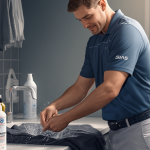
Best golf grips can last longer with proper care. Clean them every few rounds with mild soap, warm water, and a soft towel. Avoid harsh cleaners because they can damage the surface. After washing, let the grips dry fully before storing your clubs.
Storage also matters. Do not leave clubs in a hot car for long periods. Heat can dry out grips and weaken the material. Keep clubs in a cool, dry place when possible.
Fresh grips can make old clubs feel better. Before buying a new club because it feels wrong, check the grip first. Sometimes a simple regrip can restore confidence.
Choosing Grips for Different Types of Golfers
Different golfers need different grip features. Beginners often benefit from grips that feel comfortable, tacky, and easy to hold. A secure surface can help them avoid squeezing too tightly. Since beginners are still learning feel, a balanced grip is usually better than an extreme design.
Senior golfers may prefer softer or larger grips. These can reduce hand strain and make the club easier to hold. Golfers with arthritis or joint stiffness may also benefit from midsize or oversized options. Comfort should lead the choice.
Stronger players may prefer firmer grips with more texture. These can provide clear feedback and better control during faster swings. If the hands sweat during full shots, cord or hybrid grips may help.
Best golf grips for women are not defined by gender alone. Hand size, strength, comfort, and swing style matter more. Some women prefer standard grips, while others feel better with undersize or midsize options. Testing is the best way to know.
Golfers who play without gloves should focus on tack and texture. Bare hands need a grip that feels secure without becoming rough or sticky. Cleaning matters even more in this case because skin oils can build up quickly.
Do Putter Grips Need Different Thinking?
Putter grips are different from full-swing grips because the putting stroke needs quiet hands and steady control. A larger putter grip can reduce wrist action and help the shoulders guide the stroke. This can be useful for golfers who flip the putter through impact.
However, a large putter grip is not right for everyone. Some players lose feel when the grip is too thick. Others love the added stability. The best choice depends on how you control distance and face angle.
Shape matters more with putters. A flat front can help the thumbs sit evenly. A pistol shape can help the top hand feel secure. A rounder grip may suit players who prefer a softer, freer stroke.
Best golf grips for putting should help you start the ball on line while keeping distance control natural. If your stroke feels tense, unstable, or too handsy, a different putter grip may help.
Try several styles before deciding. Many golf shops have putters with different grip shapes. Even a few practice strokes can reveal what feels comfortable.
How to Test Grips Before Buying
The best way to choose grips is to test them in real conditions. Holding a grip in a shop helps, but swinging with it is better. If possible, regrip one club first before changing the full set. A 7-iron or wedge is a good test club because you use it often.
Pay attention to pressure. A good grip should let you hold the club securely without squeezing. Notice whether your hands feel relaxed at address and during the swing. Also, check if the grip feels stable at impact.
Best golf grips should feel good over a full round, not just a few swings. Some grips feel great at first but become too rough or too soft after several holes. That is why testing during actual play is useful.
Think about glove use too. A grip may feel different with a glove than with bare hands. If you normally wear a glove, test it that way. If you often remove your glove for wedges or short shots, make sure the grip still feels secure.
Do not choose only by looks. Color and style are nice, but comfort and control matter more. A grip that performs well will help your game more than one that only matches your bag.
Conclusion
Best golf grips can improve comfort, control, and confidence by giving your hands a secure and natural connection to the club. Since every swing starts with your hands, grip choice should never be an afterthought. Size, texture, material, firmness, taper, and weather performance all affect how the club feels.
The right grip can help you hold the club with less tension. It can also improve feedback, reduce slipping, and make each club feel more stable. For many golfers, fresh grips are one of the easiest ways to make their equipment feel better without buying new clubs.
Choose grips based on your hands, swing, climate, and comfort needs. Test different sizes and textures when possible. Clean your grips often and replace them when they feel slick or worn. When your grips feel right, your hands can relax, your swing can move more freely, and every shot can feel more controlled.
FAQ
1. How Do I Know Which Grip Size I Need?
The right size should feel secure without forcing your hands to squeeze. If your hands feel cramped or too active, try a different size.
2. Are Softer Grips Better for Comfort?
Softer grips can help golfers who feel hand fatigue or joint strain. However, some players prefer firmer grips for clearer feedback.
3. How Often Should I Replace My Golf Grips?
Many regular golfers replace grips once a year. If they feel slick, hard, cracked, or shiny, replace them sooner.
4. What Type of Grip Works Best in Humid Weather?
Textured, tacky, corded, or hybrid grips often work well in humidity. They help the hands stay secure when sweat builds up.
5. Should My Putter Grip Match My Other Grips?
Not necessarily. Putter grips serve a different purpose, so choose one that helps your stroke feel steady and comfortable.